
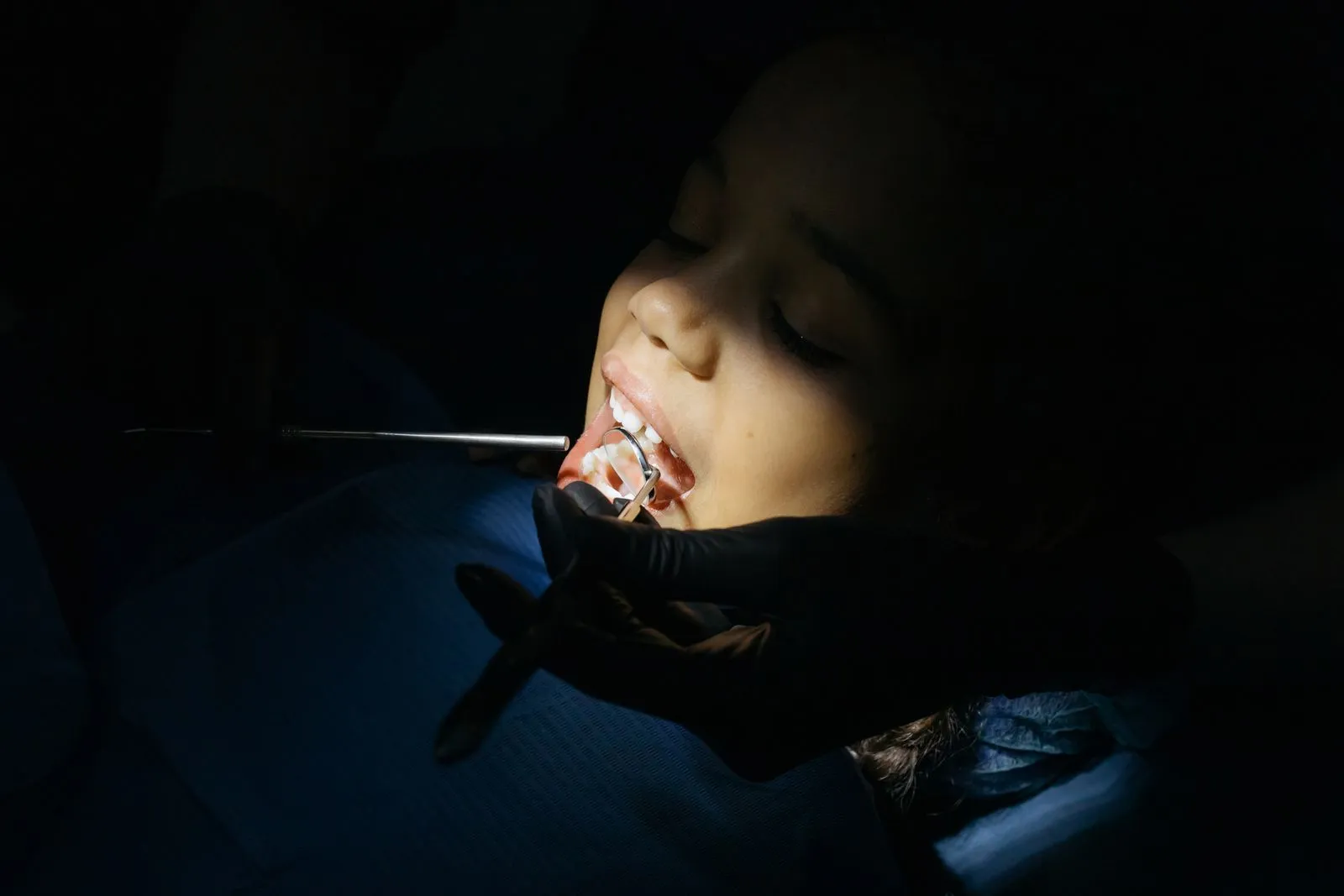
A dental sedation appointment can feel unfamiliar for both children and parents. Preparation starts with a clear conversation with the dental team, not with promises about how your child will feel. Ask what type of sedation is planned, what instructions apply to your child, and what to expect before, during, and after treatment. Then explain the visit in simple, reassuring words. The team’s directions should guide every part of your preparation, especially food, drink, medications, and transportation.
Talk With the Dental Team
Ask the team to explain the planned sedation approach, why it is recommended, and how they will monitor your child. Find out who will be present, how long the appointment may take, and what signs of recovery the team will look for. If your child has had sedation or anesthesia before, share how they responded and mention any concerns from that experience.
Give the team a complete health and medication history. Include allergies, current prescriptions and supplements, recent illnesses, breathing or sleep concerns, and any relevant medical conditions. Tell them if your child has had a fever, cough, or other change in health close to the appointment. Ask whether any medicines should be taken as usual; do not change a dose unless the team or your child’s medical clinician tells you to.
Confirm Appointment-Day Instructions
Get specific written instructions about when your child must stop eating and drinking. The timing can depend on the sedation plan and your child’s circumstances, so do not rely on general advice or another family’s experience. Ask what to do if your child accidentally eats or drinks outside the instructions, and contact the office rather than deciding on your own whether to proceed.
Confirm when to arrive, what your child should wear, and whether a parent or other adult must stay at the office. Ask how your child should get home and whether they need close supervision afterward. Arrange transportation and any needed time away from work or school in advance. Follow the dental team’s directions about car seats, boosters, and the ride home.
Explain the Visit Simply
Use calm, honest language suited to your child’s age. You might say, “The dentist will help your teeth, and the team will help you stay comfortable.” Explain only what you know, and let the dental team answer detailed questions about the procedure or sedation. Avoid saying that nothing will hurt or that your child will definitely sleep, since experiences vary by approach.
Invite your child to share worries without correcting or dismissing them. You can acknowledge the feeling—“It makes sense to have questions”—and then explain what will happen next in simple steps. Avoid frightening details, threats, or using sedation as a reward or punishment. If your child needs more information, ask the dental team for words or materials that fit their age and understanding.
Make a Calm Plan for Recovery
Ask what recovery may look like and which symptoms should prompt a call to the office or urgent medical attention. Before leaving, make sure you understand any care instructions, including when your child may eat or drink again and when normal activities can resume. Keep the team’s contact information accessible, and ask whom to reach after hours if a concern comes up.
Prepare a quiet place at home where your child can rest under the supervision recommended by the team. Have any approved comfort items ready, and plan to stay with your child as instructed. Follow the written guidance rather than rushing back to regular activities. If something is unclear before or after the appointment, call the dental team for direction.
A thoughtful conversation with the dental team can replace guesswork with a practical plan. Write down your questions, share your child’s health details, and follow the appointment-specific instructions closely. Burlington Kids Dentistry can help families understand what to expect and prepare for the visit; contact the office with questions before your child’s appointment.